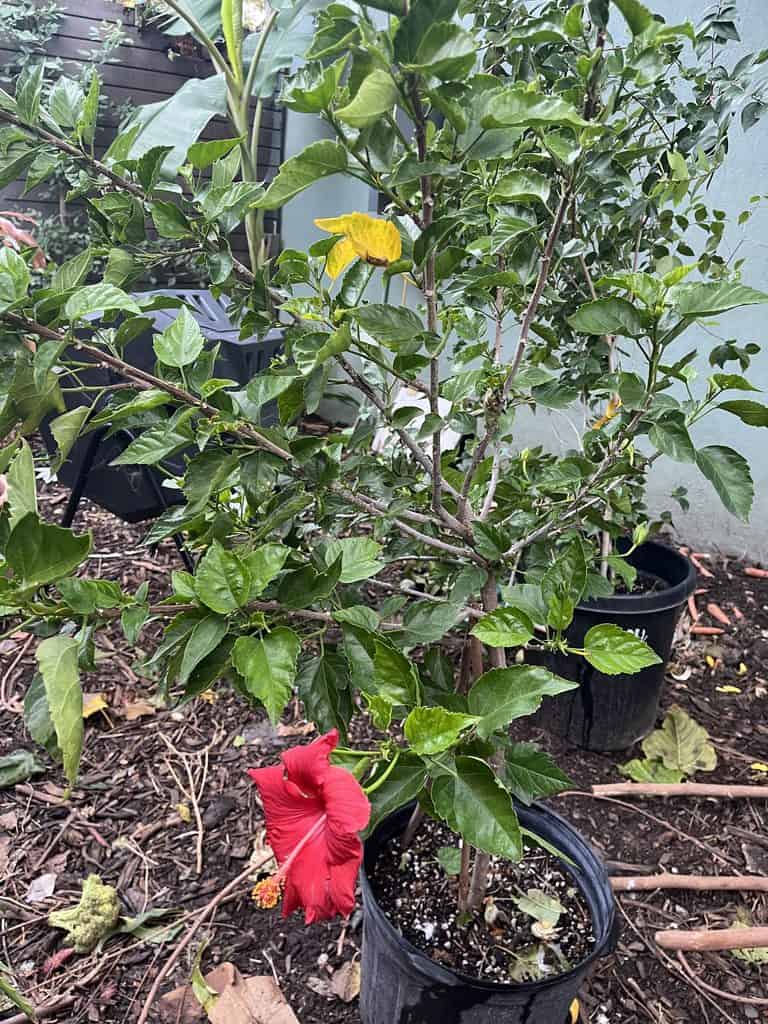
Bringing the flavors of the tropics into unexpected places.
Who says you need to live in the tropics to grow tropical fruit?
At Earth2Urban, we’re challenging conventional gardening expectations by demonstrating what’s possible in Sacramento, California, USDA Growing Zone 9b, and other Mediterranean-climate regions.
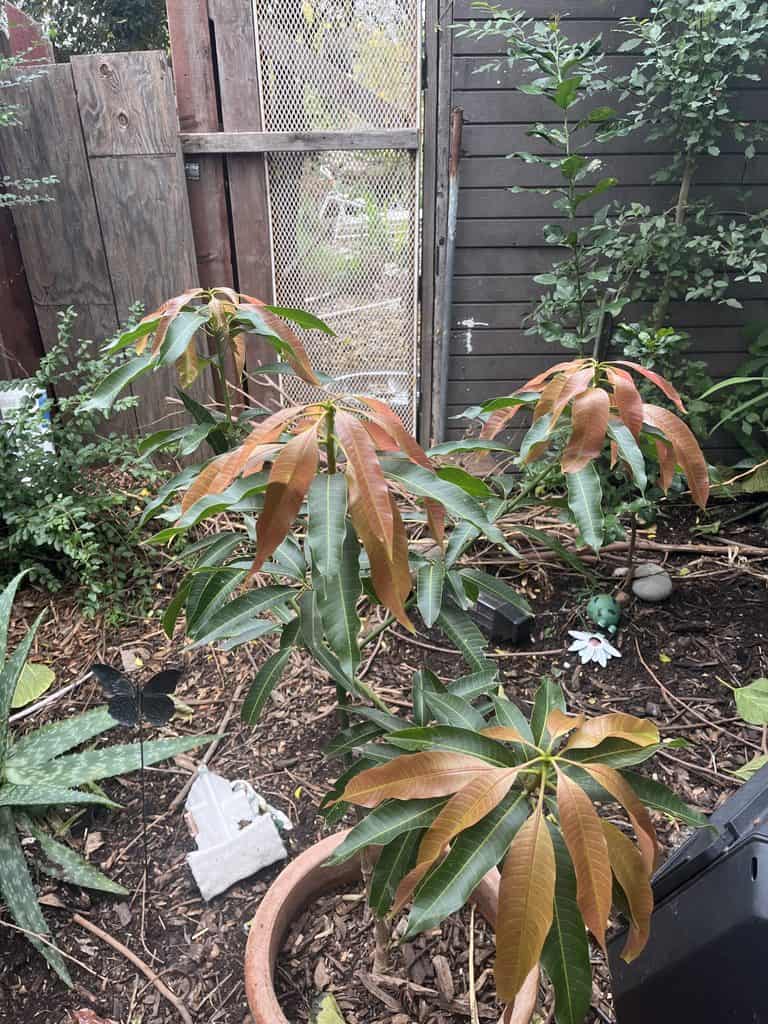
With the right selection of fruit trees, thoughtful placement, soil preparation, water management, and a little understanding of microclimates, homeowners can transform ordinary urban yards into extraordinary edible landscapes.
Sacramento’s long, hot summers provide an incredible growing opportunity. While winter frost presents challenges for tropical and subtropical species, those challenges can be managed through strategic planting, cold-hardy varieties, protective structures, and thoughtful landscape design.
The secret isn’t simply choosing what to grow. It’s learning how to create the environment in which it can thrive.
The Urban Tropical Food Forest
Imagine stepping into your backyard and harvesting:
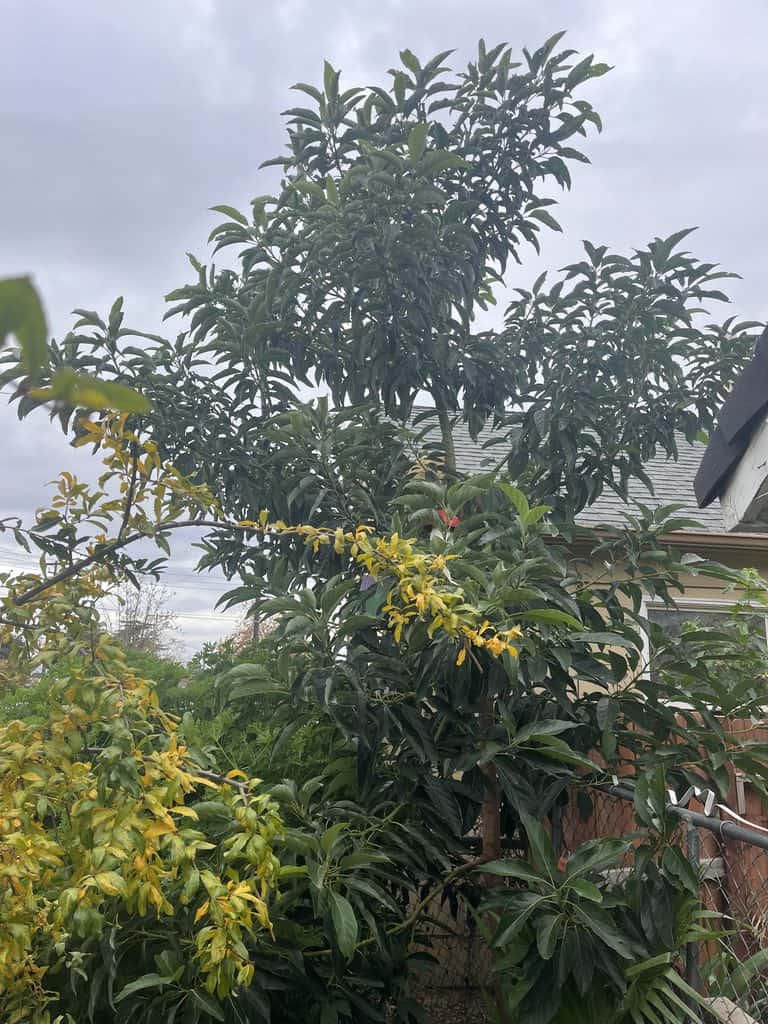
- Fresh avocados from your own tree.
- Sweet, fragrant Meyer lemons.
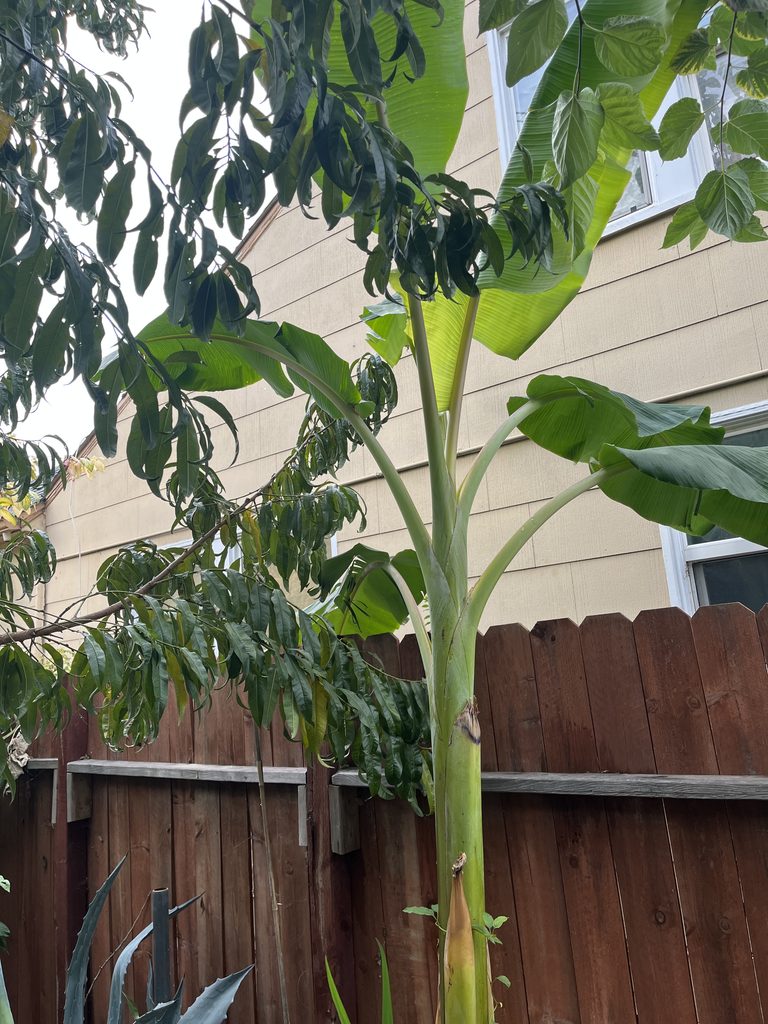
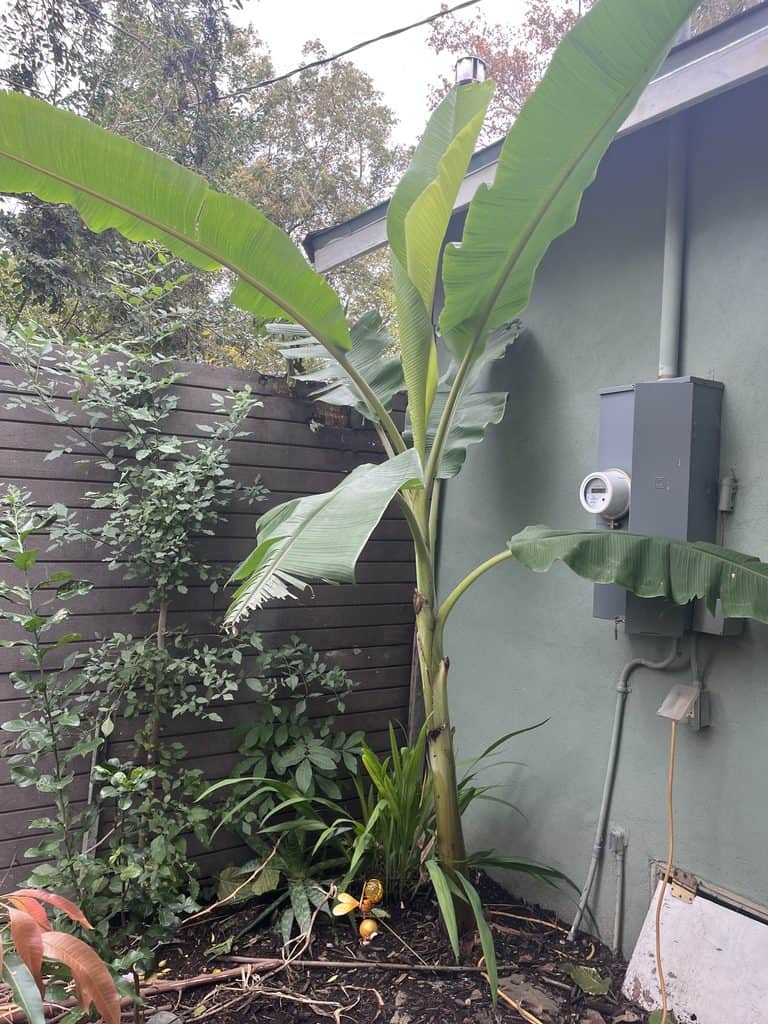
- Homegrown bananas in a protected garden space.
- Dragon fruit growing vertically along a trellis.
- Loquats ripening in the spring.
- Persimmons, peaches, apples, and pears growing alongside tropical varieties.
- Blueberries, raspberries, herbs, and pollinator-attracting flowers filling the spaces between.
This isn’t just a gardening dream. It’s an achievable approach to urban food production.
Earth2Urban explores how diverse fruit-producing landscapes can coexist, creating productive ecosystems that offer food, beauty, shade, habitat, and greater environmental resilience.
Understanding Sacramento’s Growing Advantage
Sacramento’s Mediterranean climate is characterized by hot, dry summers and cool, relatively wet winters.
These conditions provide opportunities for a remarkable diversity of edible plants.
However, USDA Zone 9b does not mean every tropical plant will survive outdoors year-round. Winter temperatures, frost duration, drainage, wind exposure, and individual plant hardiness all matter.
Successful tropical fruit gardening begins with understanding three things:
1. Plant Selection
Choose fruit varieties suited to your winter temperatures and summer heat. Cold-tolerant avocados, selected citrus, loquats, bananas in protected locations, and dragon fruit are among the possibilities worth exploring.
2. Microclimate Design
South-facing walls, sheltered courtyards, overhead protection, reflected heat, and strategic tree placement can create warmer growing environments within an otherwise ordinary backyard.
3. Water and Soil Management
Healthy soil, organic matter, appropriate irrigation, mulch, and excellent drainage are essential. Different fruit trees have different water requirements, and Mediterranean summers demand thoughtful water conservation.
Beyond Sacramento: A Global Growing Opportunity
The lessons learned in Sacramento apply to many other Mediterranean-type growing regions, including parts of California, Arizona, southern Europe, Australia, South Africa, and Chile.
Although these regions differ in elevation, rainfall, humidity, and winter temperatures, they share opportunities for growing diverse edible landscapes.
Earth2Urban encourages gardeners to think beyond traditional planting lists and discover what their individual environments can support.
Real Gardens. Real Harvests. Real Possibilities.
Earth2Urban isn’t about creating picture-perfect gardens. It’s about building living, productive ecosystems.
Our growing spaces demonstrate how fruit trees, subtropical plants, traditional orchard varieties, berries, herbs, and pollinator habitats can come together in an urban landscape.
We believe the future of sustainable cities includes more edible yards, more neighborhood food forests, more biodiversity, and more people participating in growing their own food.
You don’t just grow a garden. You rebuild an ecosystem.
Welcome to Earth2Urban, where we bring the tropics home, one tree at a time.