Welcome to Learn & Grow, where curiosity takes root and knowledge blossoms.
Discover practical gardening techniques, regenerative agriculture, healthy soil, food forests, pollinators, water conservation, and sustainable living.
Whether you have a backyard, a balcony, a community garden, or simply a desire to learn, there’s a place for you here.
Our goal is to turn knowledge into action and inspire a generation of people who understand the value of growing, restoring, and protecting the natural world.
Let’s grow something good together.
 Turning Sacramento Valley Clay Into Living Soil
Building healthier soil, one amendment at a time.
If you’ve ever tried gardening in Sacramento Valley soil, you probably know the challenge: dense red clay that becomes sticky when wet, hard as a brick when dry, and difficult for roots, water, and air to penetrate.
But clay soil isn’t bad soil. In fact, it contains valuable minerals and nutrients. The secret is learning how to improve its structure, increase biological activity, and create an environment where roots and beneficial organisms can thrive.
At Earth2Urban, we believe healthy gardens begin beneath our feet.
Let’s explore how organic materials can help transform compacted clay into productive, living soil.
 1. Wood Chips: Nature’s Protective Blanket
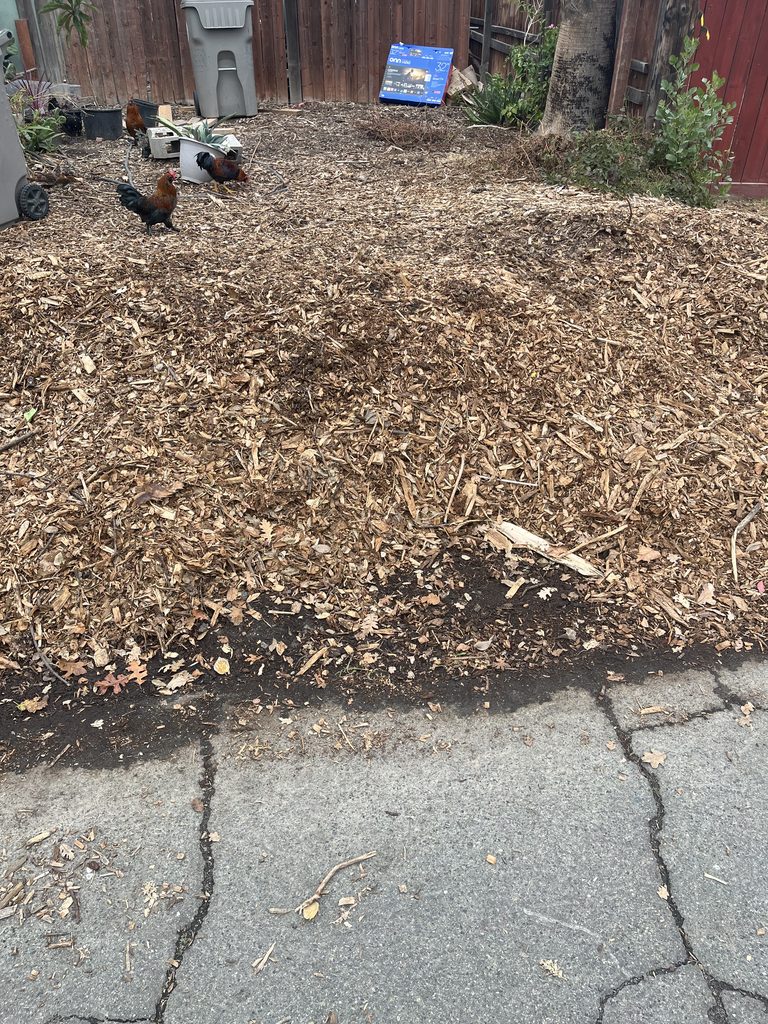
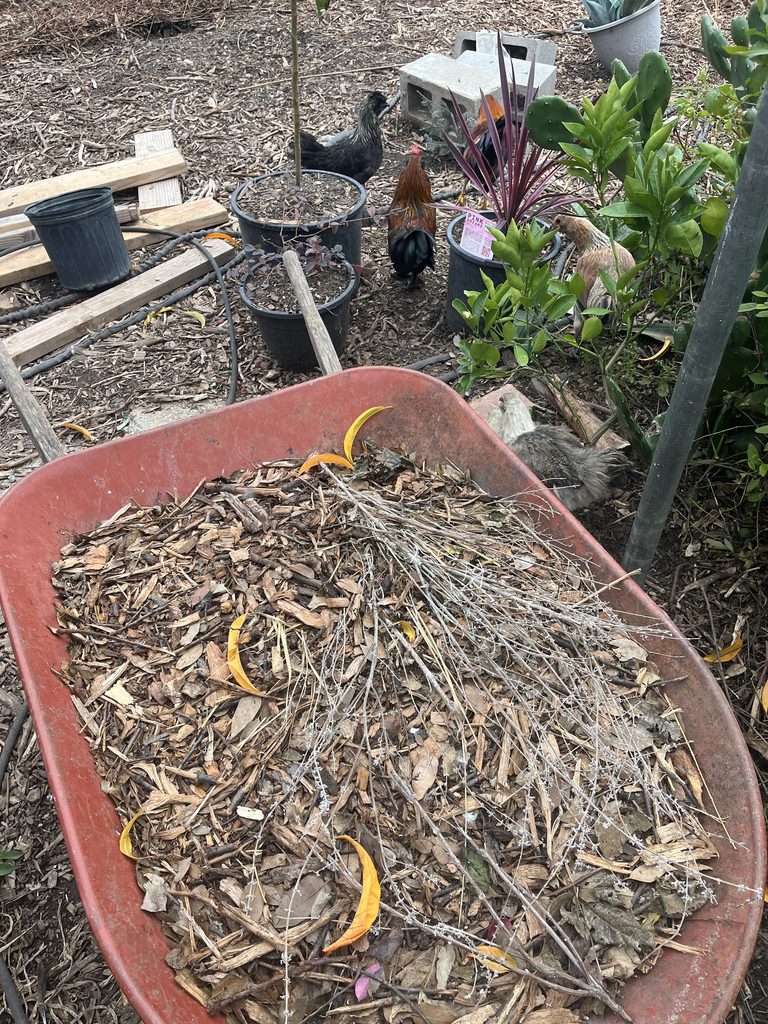
Wood chips are one of our favorite tools for building healthier garden ecosystems.
Spread a layer of approximately 3–4 inches over the soil surface.
Benefits include:
- Reducing evaporation during Sacramento’s hot summers.
- Protecting soil from extreme temperature fluctuations.
- Suppressing weeds.
- Providing habitat and food for beneficial fungi and microorganisms.
- Improving soil structure as organic matter gradually breaks down.
Earth2Urban Tip: Keep wood chips several inches away from tree trunks and plant stems. Use them primarily as surface mulch rather than mixing large quantities into the soil.
 2. Compost: Feeding the Living Soil
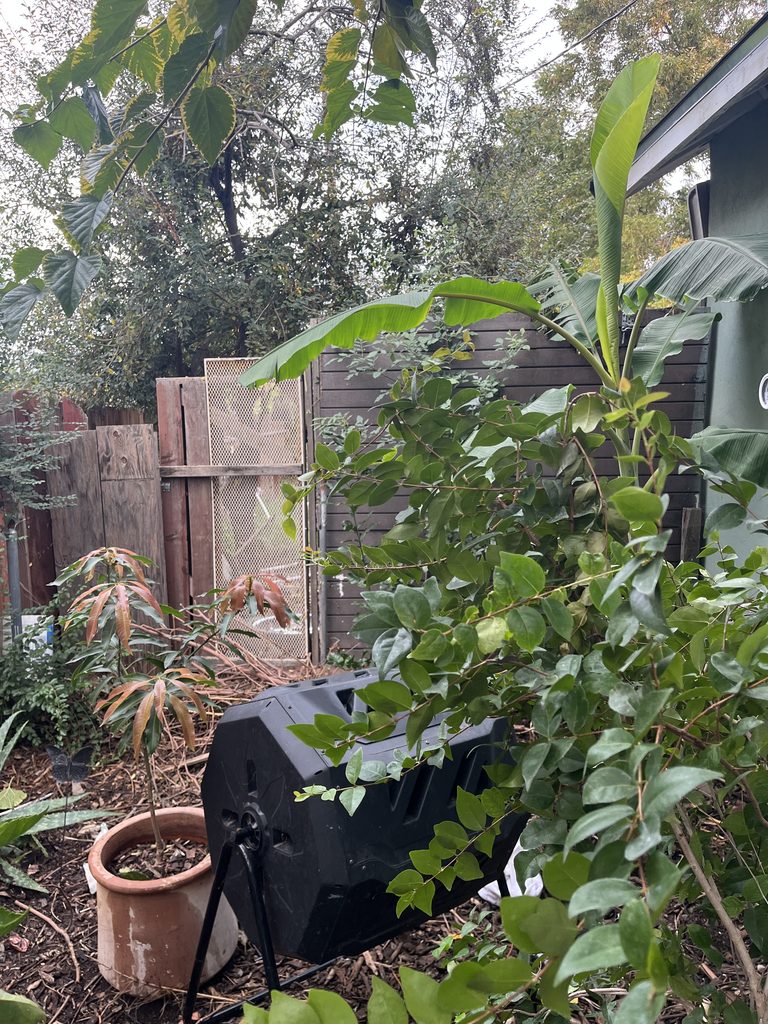
Finished compost is one of the most valuable amendments for clay soil.
It introduces stabilized organic matter and supports the organisms responsible for healthy soil structure.
Benefits include:
- Improving soil aggregation and workability.
- Supporting beneficial microorganisms.
- Increasing water retention while improving drainage through better soil structure.
- Returning organic nutrients to the growing environment.
Spread approximately 2–3 inches of finished compost over established garden beds and gently incorporate it into the upper few inches when preparing new beds.
 3. Topsoil: Building the Growing Foundation
Quality topsoil can help build planting beds and improve growing conditions.
When purchasing topsoil, look for:
- Screened, relatively weed-free material.
- Good organic matter content.
- No construction debris or contaminants.
- A texture compatible with your existing soil.
For raised beds or new planting areas, combine quality topsoil with finished compost rather than creating isolated layers that can interfere with water movement.
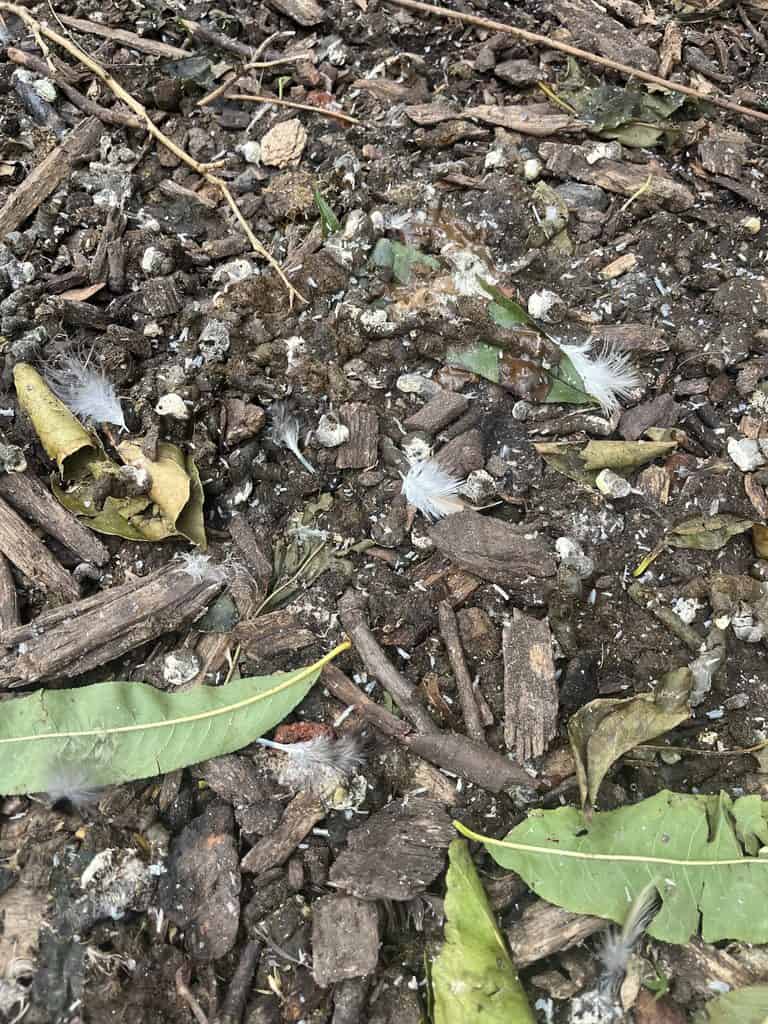
 4. Chicken and Duck Manure: Nutrient-Rich Garden Resources
Our feathered friends contribute something incredibly valuable to regenerative gardening.
Chicken and duck manure contain nutrients that can help support vigorous plant growth.
However, fresh poultry manure can be extremely strong and may damage plants because of its ammonia and soluble salt content.
Important: Compost poultry manure thoroughly before using it around food crops. Properly managed composting reduces pathogens and stabilizes the material.
Benefits of properly composted poultry manure include:
- Adding nitrogen and other plant nutrients.
- Contributing organic matter.
- Supporting soil fertility.
- Recycling nutrients rather than sending valuable resources to waste.
Use it thoughtfully. More fertilizer does not necessarily mean healthier plants. Excess nutrients and salts can harm roots and contribute to water pollution.
 5. Sand: Does Sacramento Clay Need It?
This is where gardeners need to be careful.
Adding a small amount of sand to heavy clay soil generally does not improve drainage. In some circumstances, it can create an even denser, concrete-like mixture.
Unless a soil test or specific soil-management recommendation indicates otherwise, we recommend focusing on finished compost, organic matter, appropriate mulch, and improved soil structure rather than adding sand.
Remember: Building living soil is a biological process, not simply a matter of changing soil texture.
 Our Earth2Urban Soil-Building Approach
For our Sacramento Valley growing spaces, we focus on a combination of:
- Existing native clay soil.
- Quality finished compost.
- Properly composted chicken and duck manure, applied according to soil nutrient needs.
- Quality topsoil when building new planting areas.
- A protective surface layer of wood chips.
We also recommend testing soil pH, salinity, and nutrient levels before making substantial amendments.
For fruit trees, vegetable gardens, and food forests, different plants have different nutritional requirements.
Why It Matters
Healthy soil is alive.
Beneath every productive garden is an interconnected community of bacteria, fungi, earthworms, insects, and countless other organisms working together.
They help cycle nutrients, build soil structure, retain moisture, and support plant health.
When we protect and feed that underground ecosystem, we create gardens that become more resilient over time.
The Earth2Urban Philosophy
We don’t just grow plants. We grow ecosystems.
We believe the future of sustainable communities begins with healthy soil, accessible food, responsible resource use, and a deeper connection to nature.
Start with the soil. Grow with purpose. Restore the planet.
Earth2Urban
Where Nature Meets Neighborhood.
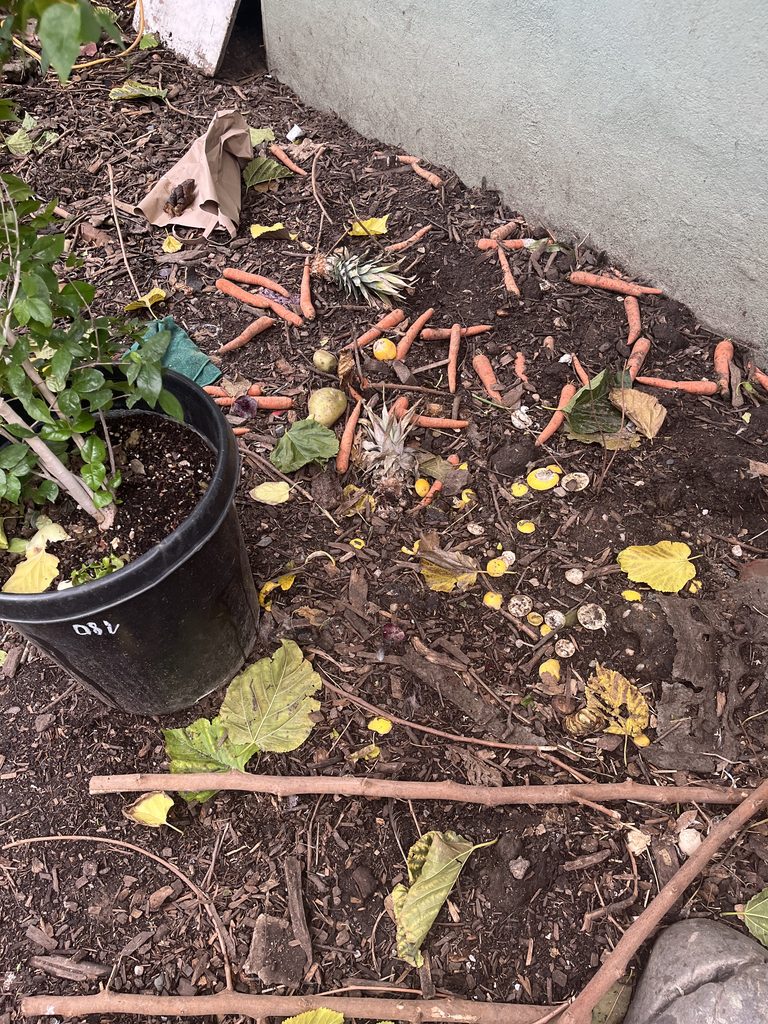
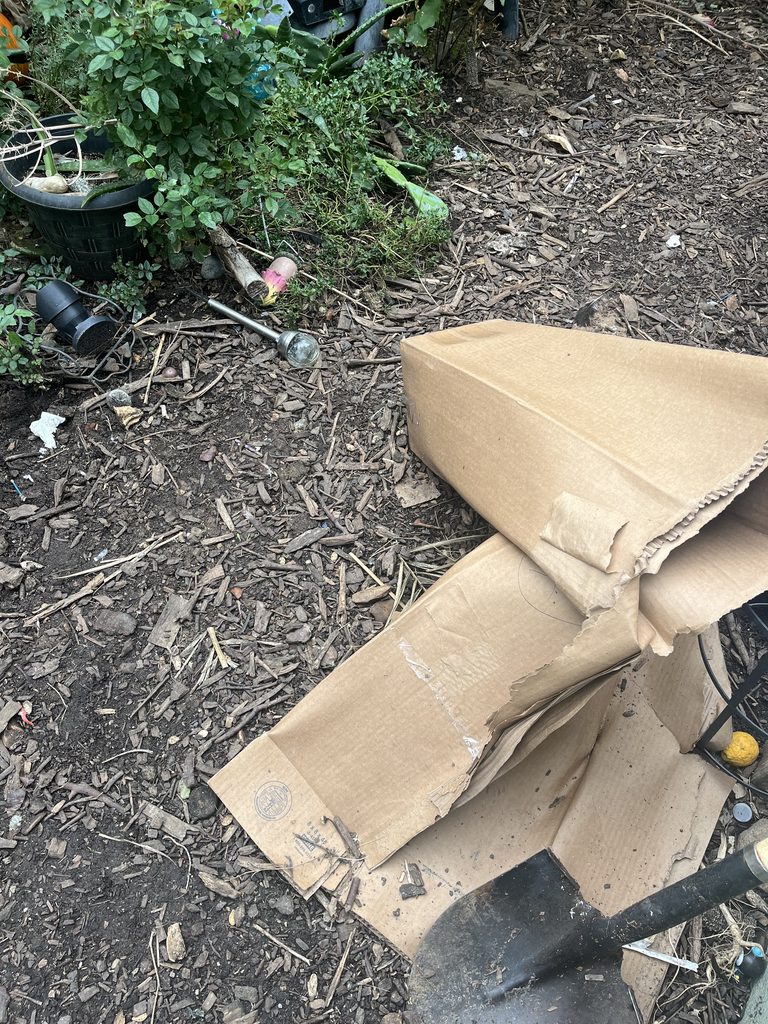
Regenerative living begins with the choices we make every day. From growing our own food and restoring healthy soil to conserving water, supporting pollinators, and creating thriving backyard ecosystems, every action makes a difference.
At Earth2Urban, we believe our gardens can become more than places to grow food. They can become living ecosystems that nourish our families, restore the land, support wildlife, and reconnect our communities with nature.
Explore, learn, and grow with us. Because a healthier planet starts right outside our doors.